
matrgym Logo Matrgym Contact Us
Contact Us

Walking to Inis Cealtra: History on the Water

Discover the remarkable monastic settlement on Holy Island and explore why Inis Cealtra stands as one of Clare's most significant archaeological treasures.

7 min read All Levels June 2026
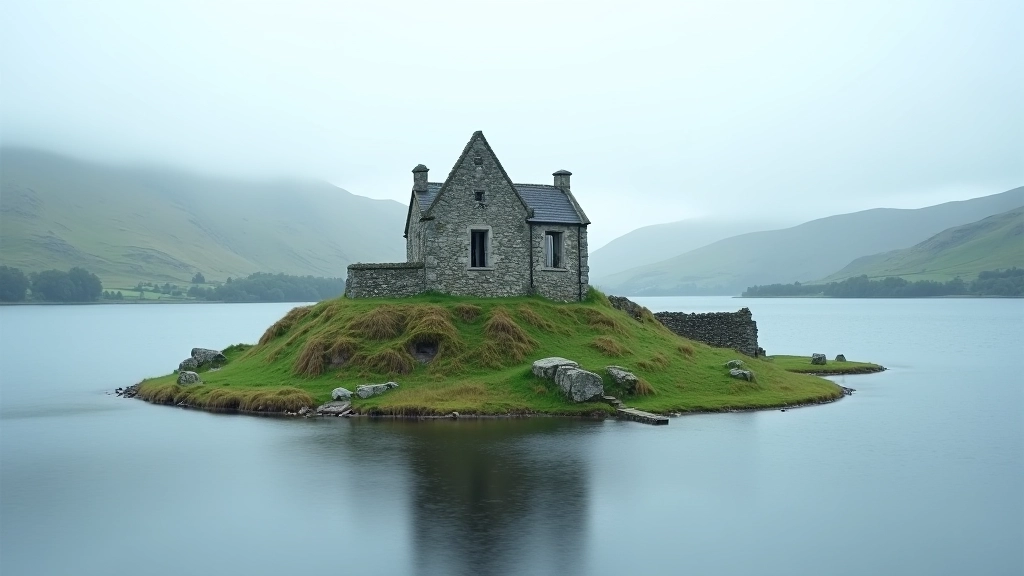
Weathered stone ruins of an ancient monastery on a green island surrounded by calm blue water

A Sacred Settlement Across the Water

Inis Cealtra—or Holy Island—isn't just another archaeological site. It's where centuries of monastic life unfolded on a small island in Lough Derg. The name itself tells you something important: "Inis" means island, and "Cealtra" comes from the founder, Saint Cealtra, who established a monastic community here sometime around the 6th century.

What makes this place so compelling isn't the grand architecture you'd find in larger abbeys. It's the layers. You're walking through ruins that span over a thousand years—from early Christian monks to medieval communities to later additions. Each stone tells a different chapter of Ireland's spiritual history.

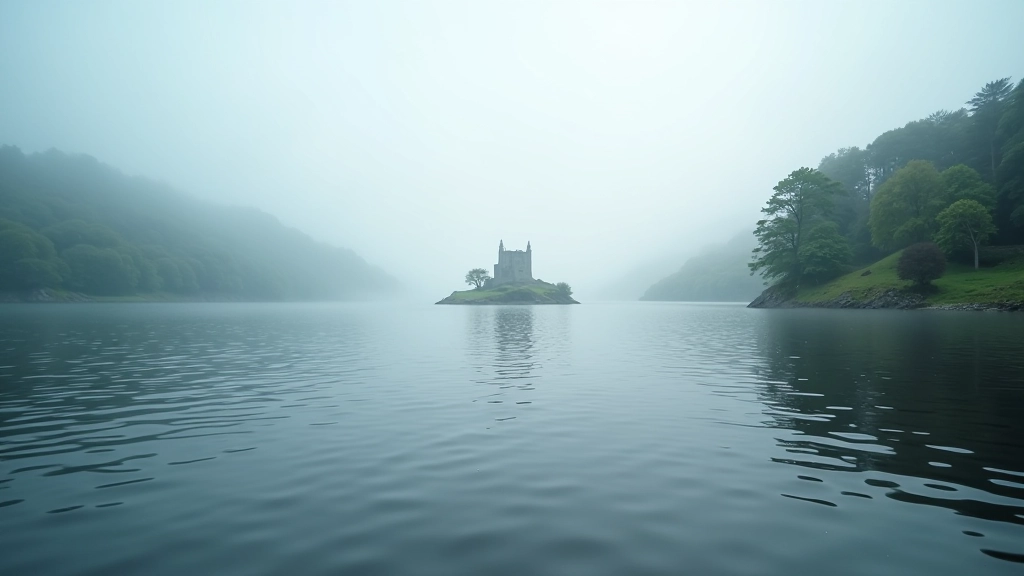
Misty morning view of Lough Derg with the island visible across calm waters, ancient trees on the shoreline

What You'll Find on the Island

Seven Churches

The island's most distinctive feature. You'll see remains of seven separate ecclesiastical structures, each built in different periods. Some are barely more than foundations now, but their positions tell the story of how the settlement expanded and adapted over centuries.

Stone Crosses and Carvings

Look carefully at the weathered stone surfaces. You'll spot carved crosses and intricate patterns that monks created centuries ago. The craftsmanship is remarkable considering they worked with basic tools on rough island stone.

Round Tower Remains

These distinctive towers weren't just decorative. They served practical purposes—storage, bell towers, and defensive structures. Inis Cealtra's tower is one of the oldest in Ireland, dating back over a thousand years.

Ancient Burial Grounds

The island's edges contain burial sites used by both monks and laypeople. These graves offer clues about daily life, health, and mortality in medieval Ireland. Archaeologists continue discovering new details from these remains.

The Timeline of Inis Cealtra

The island's history spans multiple periods, each leaving its own mark. It didn't all happen at once—monastic communities here grew, adapted, and sometimes declined based on what was happening in Ireland around them.

6th Century: Foundation

Saint Cealtra established the original monastic settlement. Early monks chose this isolated island deliberately—it offered spiritual refuge and protection from the conflicts happening on the mainland.

Medieval Period: Expansion

By the 8th and 9th centuries, Inis Cealtra had become an important pilgrimage destination. Multiple churches were constructed, and the community grew substantial enough to support permanent residents and visiting pilgrims. This is when most of the visible structures were built.

Viking Era: Survival

Like many Irish monastic sites, Inis Cealtra faced Viking raids. The island's location on Lough Derg made it accessible by water, which wasn't always an advantage. The community survived these threats but adapted their practices and defenses.

Later Medieval Period: Continuity

The monastic community continued functioning through the medieval period, though the initial intensity of settlement gradually diminished. Pilgrims still visited, and monks maintained the structures and spiritual traditions.

Modern Era: Preservation

Today, Inis Cealtra is protected as a national monument. Archaeological work continues, revealing new details about daily monastic life. The island remains a pilgrimage destination, though now primarily for its historical and spiritual significance rather than active religious community.
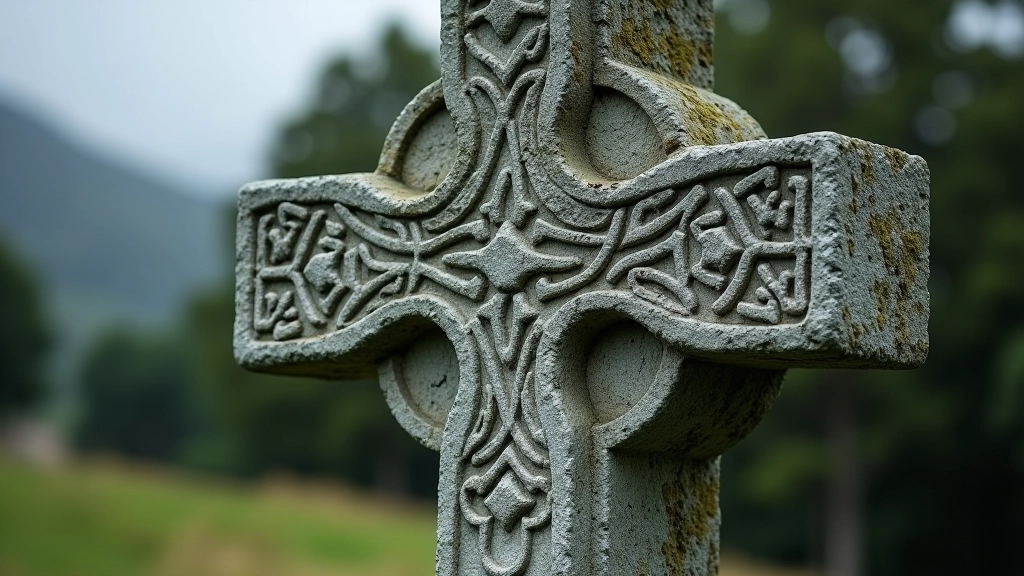

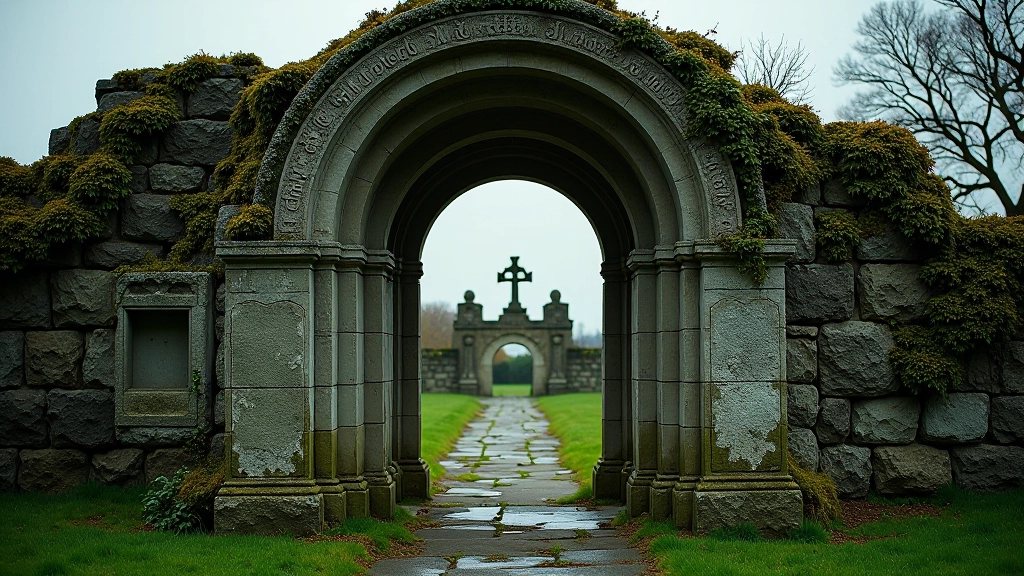
Close-up detail of ancient carved stone cross with intricate Celtic patterns, weathered by centuries of exposure
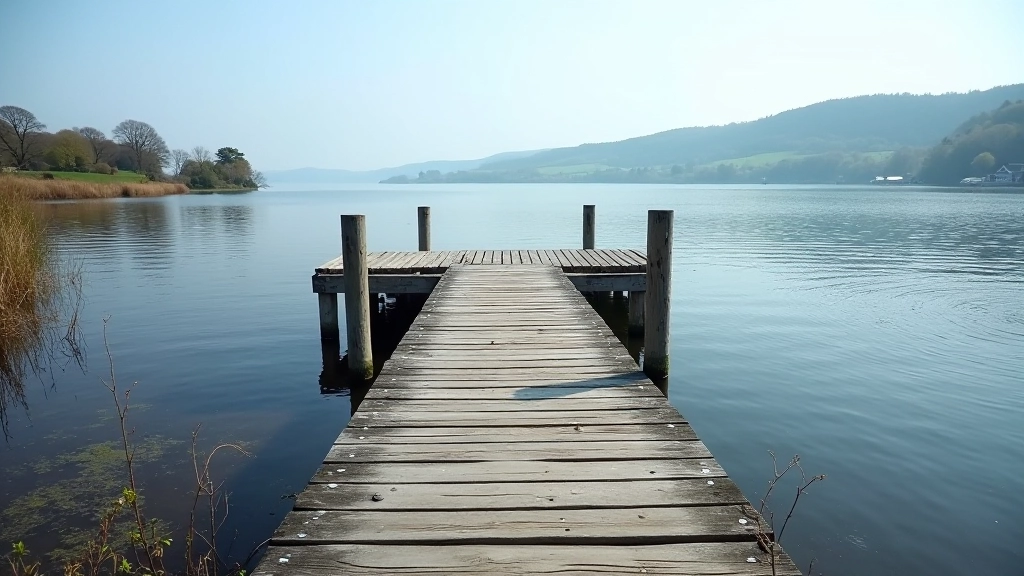
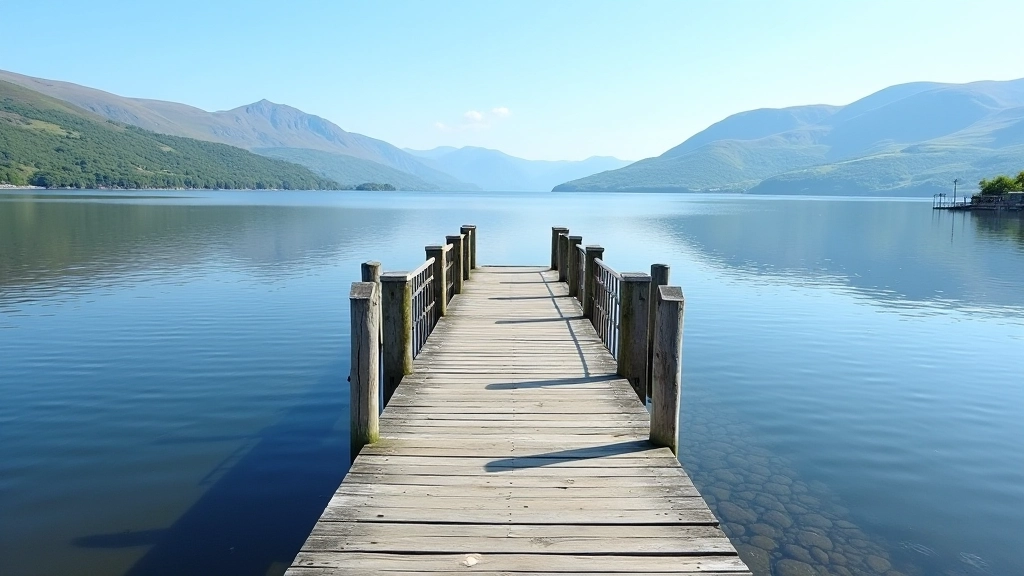
Small boat dock or pier with wooden structure extending into calm lake water, historic setting with vegetation

Getting to the Island

You can't walk to Inis Cealtra—it's an island, after all. The journey involves a short boat trip from Mountshannon or Dromineer. Both villages have boat operators who run regular services, especially during summer months. The crossing takes about 10-15 minutes depending on water conditions.

The boat trip itself is part of the experience. You'll get a perspective on the island that land-based visitors never see—the approach across the water gives you time to appreciate the site's isolation and strategic location. On clear days, you can see the ruins from the mainland, which is what drew monks and pilgrims for over a thousand years.

Once you arrive, the island is yours to explore at your own pace. There's no formal pathway, but the ruins are relatively easy to navigate. Wear proper footwear—the ground is uneven and can be damp. The island is small enough that you won't get lost, but it's large enough to spend a good hour or two discovering different structures and details.

Understanding What You're Looking At

The ruins can look confusing at first—just piles of old stone. But if you know what to look for, they tell incredible stories about medieval monastic life.

Church Structures

You'll notice rectangular stone foundations with openings for doors and windows. The larger structures were typically churches where the community gathered for services. Smaller buildings housed monks or stored important items like manuscripts and religious vessels.

Carved Stone Details

Look for crosses carved into stone surfaces—some are simple lines, others are elaborate Celtic designs. These weren't just decoration. Monks used them as markers for graves, religious sites, or as teaching tools. Each carving represents hours of careful stone work.

Building Techniques

The walls are built from locally sourced stone, fitted together without mortar in many cases. This dry-stone technique is remarkably durable—walls built a thousand years ago are still standing, though often at precarious angles. It's a testament to monastic builders' practical skills.

Round Tower Evidence

The distinctive round tower on the island is one of Ireland's oldest. Look at its base—the door is elevated several feet above ground level. This wasn't random. Monks could pull up a wooden ladder, making the tower defensive during raids while providing secure storage for precious manuscripts and items.

About This Content

This article provides educational information about Inis Cealtra's history and archaeological significance. While we've worked to ensure accuracy, archaeological and historical knowledge continues to evolve as new research emerges. For the most current academic information, consult with the Office of Public Works, which manages the site, or refer to scholarly publications on Irish monastic archaeology. Always check local travel conditions and boat operator availability before planning your visit.

Síle O'Brien

Author

Síle O'Brien

Senior Heritage & Accessibility Correspondent

Heritage tourism specialist and medieval historian with 16 years' experience documenting accessible routes around Irish monastic sites and Lough Derg.