Senior-Friendly Walking Tips for Lough Derg Routes
Safe, comfortable routes around Ireland's sacred lake for walkers of all abilities

Walking Around Lough Derg: A Guide for Older Adults
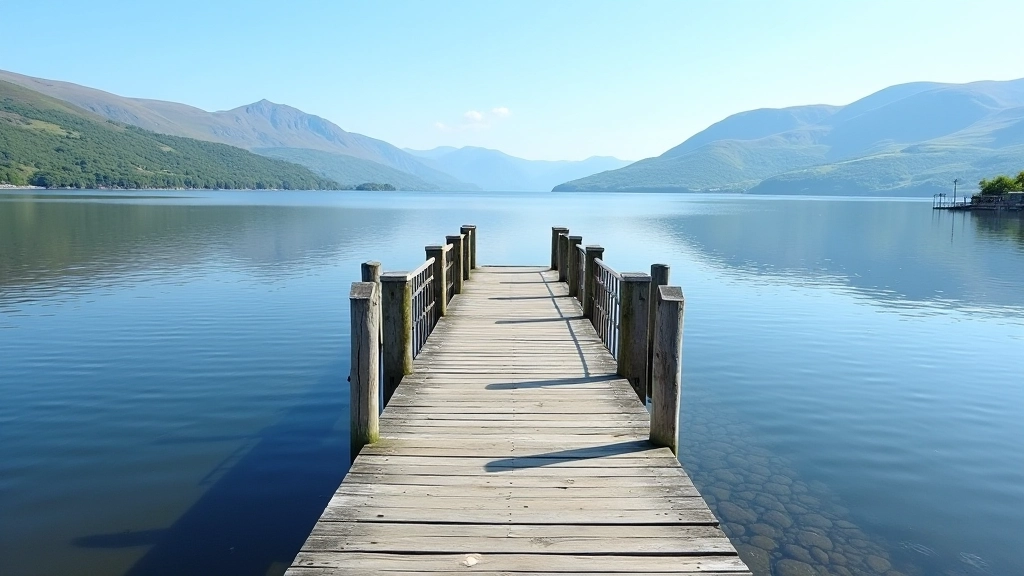
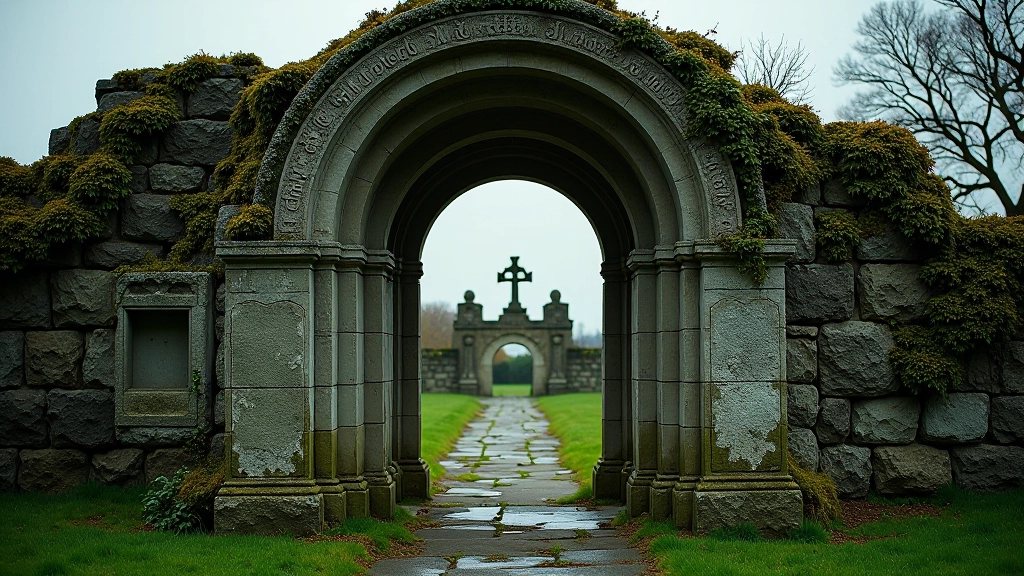
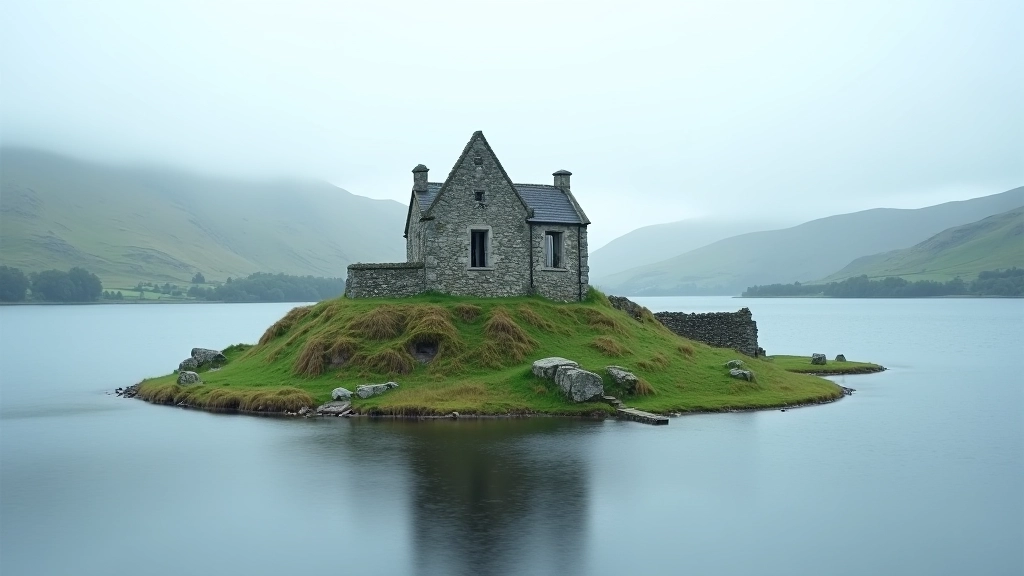
Lough Derg offers some of Ireland's most stunning lakeside walks, and the good news is that you don't need to be an experienced hiker to enjoy them. We've spent years helping older walkers explore the routes around this beautiful sacred lake — from the peaceful Mountshannon Pier path to the historic routes leading to Inis Cealtra. Here's what we've learned about making these walks safe, comfortable, and genuinely enjoyable.
Choosing Routes That Work for Your Fitness Level
The biggest mistake we see isn't overambition — it's underestimating what you're capable of. Most walkers over 60 can handle 3-5 kilometers easily if the terrain is right. The Mountshannon Pier path runs about 2.5 km and sits right on flat ground. That's a perfect starting point if you're getting back into walking after time away.
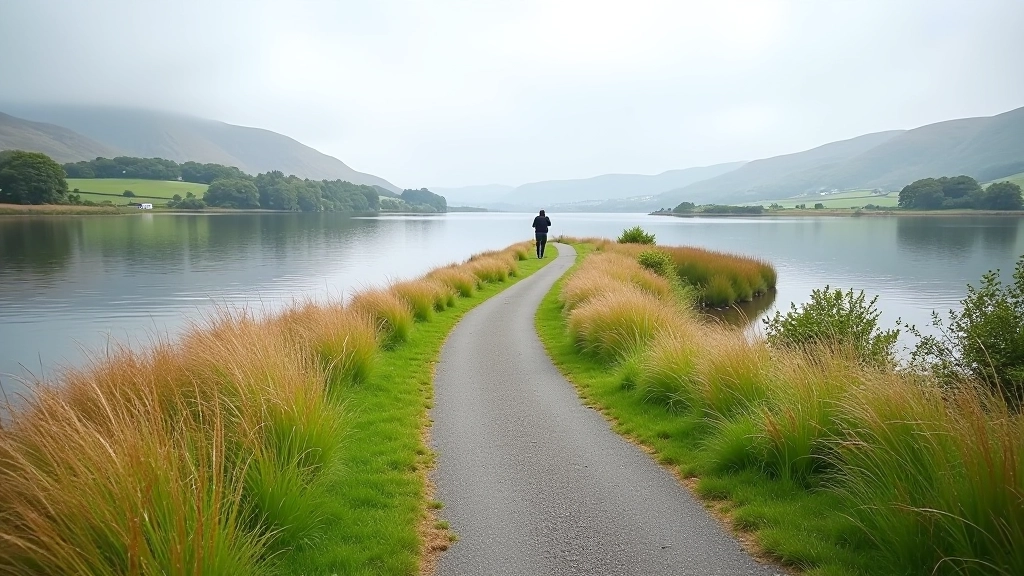
The routes around Lough Derg vary significantly. Some have gentle slopes that you'll barely notice. Others climb more steeply but reward you with views that make it worthwhile. We recommend starting with routes that have clear turnaround points — you're not committed to finishing the full loop if your energy dips partway through.
Know Your Distance
Most people walk at 4-5 km/hour on flat terrain. Add 20-30 minutes for every kilometer that involves hills. A 3 km walk on flat ground takes roughly 40 minutes. That same distance with elevation changes? Plan for 60-70 minutes instead.
Important Note
This article provides general guidance about walking routes around Lough Derg. It's not a substitute for medical advice. If you have health conditions, joint issues, or haven't exercised recently, consult your doctor before starting any new walking routine. Always listen to your body and don't push past genuine discomfort. The routes described here vary — conditions change seasonally and weather affects trail safety.
Gear That Actually Makes a Difference
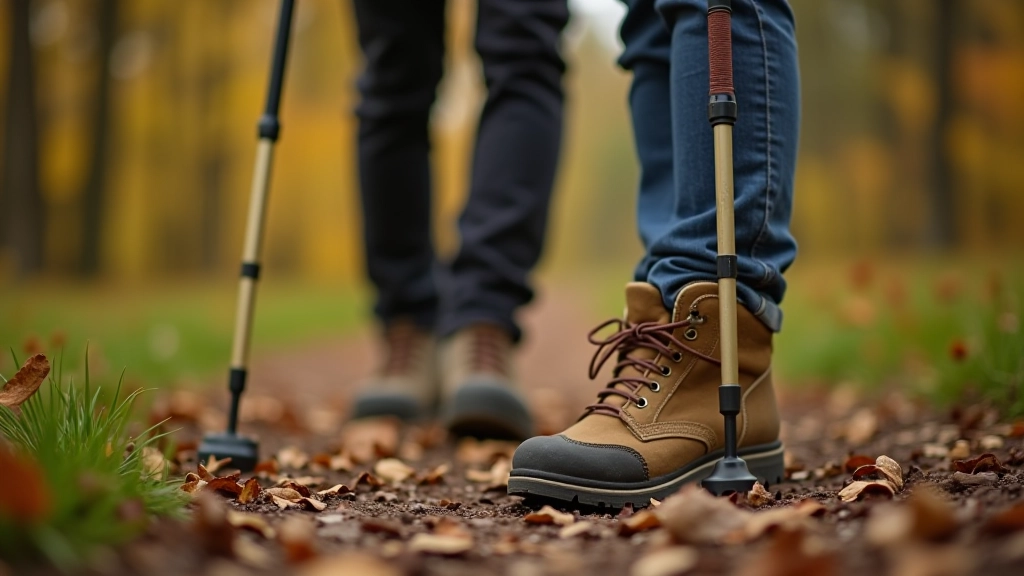
You'll hear people mention hiking poles, and honestly? They're not just for steep mountains. Walking poles reduce stress on your knees by about 25% — that's real biomechanics, not marketing. On the gentler Lough Derg routes, they'll transform a walk that leaves your joints sore into one where you feel good the next day.
Footwear matters more than you'd think. You're not looking for fancy athletic shoes. What you need is proper ankle support and a sole with genuine grip. The terrain around the lake includes wet grass, loose gravel, and muddy sections — especially after rain. Shoes with treaded soles (not smooth running shoes) prevent slips.
- Walking poles — reduce knee impact significantly
- Supportive walking shoes — genuine grip on wet ground
- Moisture-wicking socks — prevents blisters on longer walks
- Lightweight backpack (5-8 liters) — for water and snacks
Pacing Yourself: It's Not About Speed
Here's the thing about walking that nobody talks about enough: it's not a race. The difference between an exhausting walk and an enjoyable one isn't distance — it's pace. We've watched walkers cover 4 kilometers feeling energized because they moved slowly and took breaks. Others struggle with 2 kilometers because they're pushing too hard.
The rule we recommend is simple: you should be able to hold a conversation while walking. If you're breathing too hard to talk, you're going too fast. Slow down. The views aren't going anywhere. Around Lough Derg, you're surrounded by medieval history and natural beauty — rushing through it defeats the purpose.
The Two-Break Rule
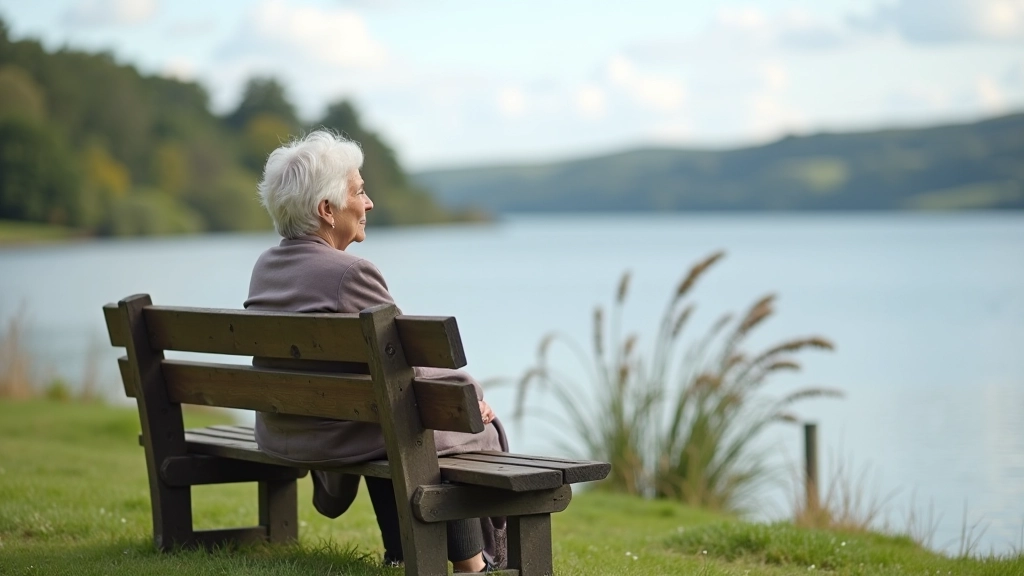
For any walk longer than 2 kilometers, plan at least two proper breaks. Not just a pause — sit down, have water, rest your legs for 5-10 minutes. You'll return home feeling better than if you'd powered through without stopping.
Safety on the Path: Weather and Terrain
Irish weather changes quickly. We're not exaggerating — you can start in sunshine and encounter rain within 30 minutes. This isn't optional: bring a waterproof jacket even if the forecast looks perfect. Wet clothing drops your body temperature rapidly, and hypothermia doesn't care that you're "only" 3 kilometers from the car.
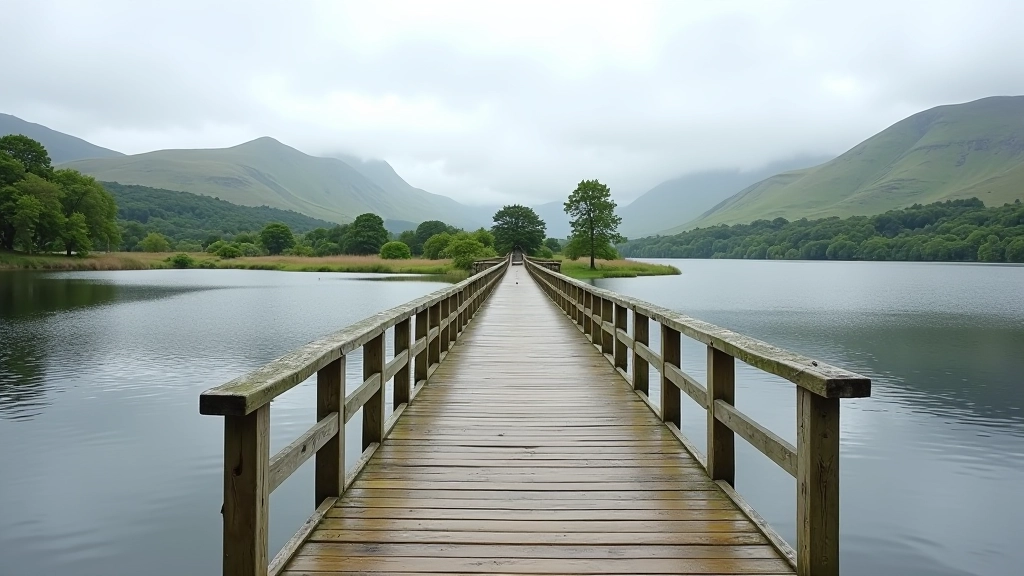
The paths themselves are generally well-maintained, but surfaces vary. Some sections use gravel that shifts underfoot. Others have tree roots creating uneven ground. Walk with attention rather than looking at your phone. Use your walking poles to test unstable ground ahead of you. On wet days, muddy sections become genuinely slippery — there's no shame in moving slowly or turning back if conditions feel unsafe.
Mobile signal around Lough Derg is patchy. Tell someone where you're going and when you expect to return. We're not trying to sound alarmist — the routes are safe and popular — but basic precautions matter.
Before and After: Preparing Your Body
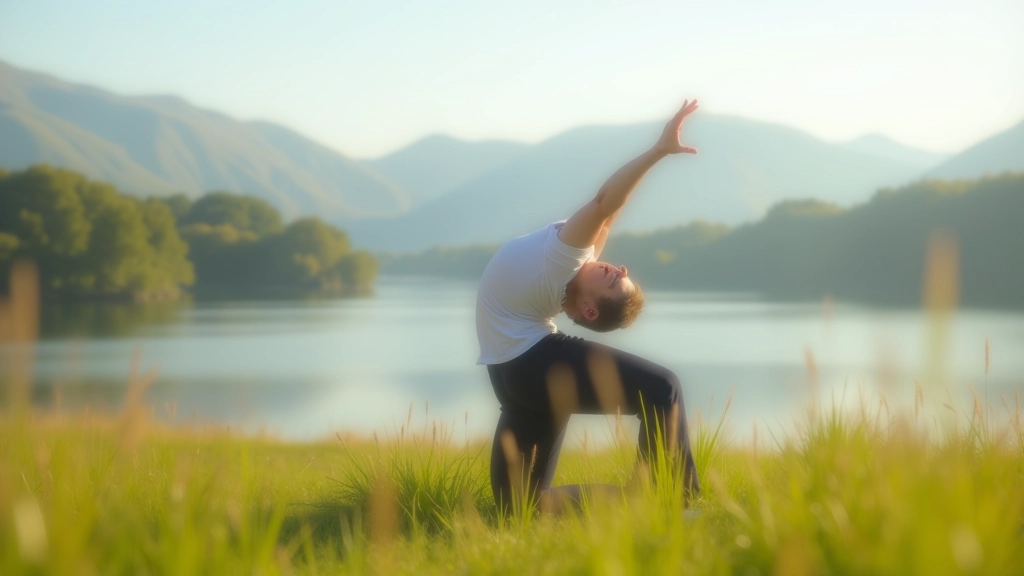
Five minutes of easy movement before you start makes a real difference. Walk slowly for 5 minutes — this isn't about "warming up" in the athletic sense. It's about getting your joints moving and your heart gradually increasing its work. Stop, stretch your calves and hamstrings lightly, then begin your actual walk.
After you finish, don't just sit down immediately. Walk gently for another 5 minutes while your heart rate comes down. This prevents dizziness and gives your legs time to transition from work to rest. Stretch afterward — calf stretches, hamstring stretches, hip flexors. Hold each stretch for 20-30 seconds without bouncing.
Soreness 1-2 days after a new walk is normal. Sharp pain isn't. If something hurts during the walk itself, that's your signal to adjust your pace or stop. You're not training for a marathon — you're enjoying a walk. Enjoy it.
Your Lough Derg Walking Journey Starts Now
Walking around Lough Derg isn't complicated. You don't need special training or athletic ability. What you need is realistic expectations, proper gear, and an understanding of your own limits. Start with routes that feel comfortable. Use poles if your knees need support. Take breaks without guilt. Listen to your body.
The Mountshannon Pier path is genuinely beautiful at any pace. Inis Cealtra's history is just as meaningful whether you walk there in 90 minutes or 120. The views don't change based on your speed. What changes is how you feel — and that's what matters.
We've seen walkers in their 70s and 80s discover routes they thought were beyond them. Not because they became athletes, but because they approached walking intelligently. You can too. Start small. Build confidence. Enjoy the lake.